Source Indoor Mini Basketball Hoop with Ball for Kids
Find 30 indoor mini basketball hoop with ball options for home gyms, schools, and offices. Compare door-mounted designs, spring rims, and training aids to select durable equipment for youth sports and physical exercise; compare the available evidence and request quotations based on your requirements.
Key considerations
Products List







Comprehensive Sourcing Guide
Indoor Mini Basketball Hoop with Ball Sourcing Guide
Procurement of indoor mini basketball hoops requires distinguishing between simple door-mounted units and larger play structures designed for commercial venues. The market presents distinct product categories, ranging from compact metal or plastic hoops intended for residential doors to extensive wooden play systems featuring slides and tubes for amusement parks. Buyers must first clarify whether their requirement is for a single-item retail unit or a bulk order of training aids, as the supply chain and technical requirements differ significantly between these segments.
Understanding the specific application environment is critical before initiating supplier contact. While some listings target pre-schools and shopping malls with large-scale exploration equipment, others focus on individual sports training with breakaway spring rims. The observed product data indicates a wide variance in materials, from galvanized pipes and PVC foam to simple metal and plastic components. Sourcing success depends on aligning the order with the correct product type, ensuring the selected unit matches the intended usage, whether it is for physical exercise in a garden or basketball training in a dedicated facility.
Product Scope and Observed Listing Signals
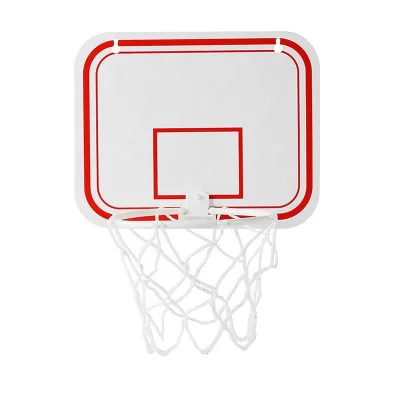
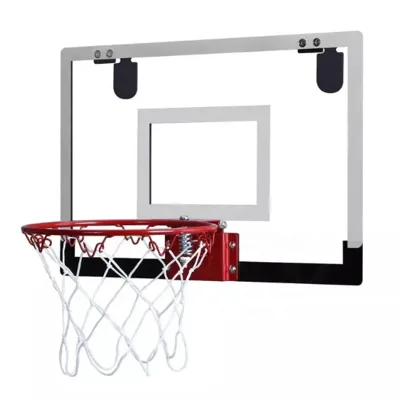
The observed product listings reveal a bifurcated market where indoor mini hoops exist alongside large-scale wooden play structures. One segment features compact units with specific dimensions like 20x16cm or 40x30cm, often made of metal or plastic with breakaway spring rims for door installation. These items typically carry brand names and are packaged in boxes for single-item sales, targeting individual consumers or small retail orders. Buyers should verify if the listed "mini basketball hoop" refers to a standalone door accessory or a component of a larger play system, as the functional scope varies from simple recreational play to structured team training.
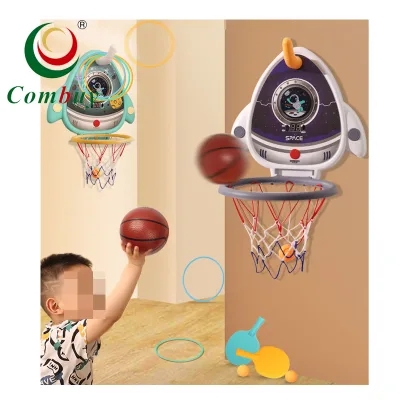
Another significant segment involves large wooden play structures suitable for amusement parks and pre-schools, which include components like plastic slides and galvanized pipes. These systems are often customized for specific site capacities, ranging from 20 to 50 kids per 100 square meters, and are designed for exploration and teamwork. The presence of such complex equipment in the same search results highlights the need for precise filtering. Procurement teams must ensure they are evaluating the correct product class, as the logistics for shipping a 20x16cm box differ entirely from arranging on-site installation for a multi-component wooden structure.
Technical Specifications to Verify
Buyers must rigorously verify physical dimensions and material composition to ensure the product fits the intended installation space. For door-mounted units, specifications such as 20x16cm or 40x30cm are critical constraints that determine compatibility with standard door frames. The material choice, whether metal, plastic, or wood, directly impacts durability and safety; for instance, metal hoops with breakaway springs offer different resilience compared to wooden structures with PVC foam padding. Confirming the exact size and material composition prevents mismatches where a unit is too large for a residential door or lacks the necessary structural integrity for high-traffic commercial use.
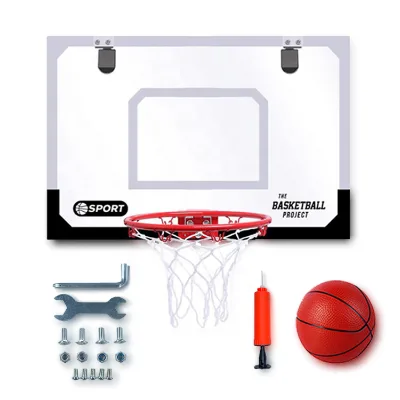
Installation requirements and component compatibility are equally vital technical considerations that vary by product type. Some units require on-site installation with remote professional guidance, while others are designed for simple door mounting with no additional tools. The presence of specific components like basketball hoop springs or galvanized pipes indicates a need for structural verification to ensure the assembly can withstand repeated use. Buyers should request detailed assembly diagrams and component lists to confirm that all necessary parts, such as the rim, net, and mounting hardware, are included and compatible with the specific model number provided by the supplier.
Compliance and Safety Documentation
Safety certification is a non-negotiable requirement for any indoor play equipment, particularly when the target audience includes children aged 3 to 12 years. The market data indicates that compliant products often carry certifications such as CE, ISO, TUV, GS, and ASTM, which validate adherence to international safety standards. Buyers must explicitly request current certification documents for the specific model being ordered, as these standards ensure that materials are non-toxic and structural designs prevent entrapment or injury. Relying on general claims without verified documentation poses significant liability risks, especially for equipment used in schools or public amusement venues.
Beyond general safety, specific testing for mechanical components like breakaway springs and load-bearing capacities is essential for long-term reliability. Products intended for high-frequency use in shopping malls or pre-schools must demonstrate durability under stress, often verified through ISO9001 and ISO14001 quality management systems. Buyers should verify that the supplier has conducted specific tests on the rim mechanism and mounting points to ensure they do not fail under dynamic loads. Ensuring that the product meets the allowable passenger standards and has passed relevant safety audits is crucial for protecting end-users and maintaining regulatory compliance in the destination market.
Cost Drivers and Commercial Terms
Pricing for indoor mini basketball hoops is heavily influenced by the complexity of the product and the scale of the order. Simple door-mounted units with minimal packaging may have lower unit costs but can be subject to different minimum order quantities compared to large, customized wooden play structures. The observed data suggests a wide price range, reflecting the difference between a single retail item and a bulk order of commercial-grade equipment. Buyers should analyze the cost drivers, including material costs for metal or wood, the complexity of the customization, and the logistics of shipping large or heavy components to their specific location.
Commercial terms regarding payment and delivery timelines are critical factors that affect cash flow and project scheduling. Standard terms often include a 50% deposit followed by a 50% balance payment upon delivery, with production times ranging from 7 to 15 days depending on customization levels. Lead times for delivery can vary from 8 to 10 days for standard items to longer periods for complex structures requiring on-site installation. Buyers must clarify the total timeline from order placement to final installation, ensuring that the supplier can meet the required delivery schedule without compromising on quality or safety standards.
Supplier Qualification and Quality Control
Supplier qualification should focus on verifying the origin of manufacturing and the consistency of their production capabilities. The data indicates that suppliers are located in regions such as Guangdong and Zhejiang, China, which are known for specific manufacturing strengths. Buyers should confirm the supplier's ability to maintain consistent quality across batches, particularly for customized orders where specifications like logo placement or color variations are required. Establishing a relationship with a supplier who has a proven track record in producing certified sports equipment ensures that the final product meets the expected standards for durability and safety.
Quality control processes must be clearly defined before production begins to prevent defects in the final shipment. Buyers should request a detailed quality control plan that includes inspections of raw materials, in-process checks during assembly, and final pre-shipment inspections. For products with custom features like logos or specific dimensions, visual and dimensional verification is essential to ensure the delivered goods match the agreed-upon specifications. Implementing a robust quality control protocol helps mitigate the risk of receiving substandard products and ensures that the equipment is ready for immediate use upon arrival at the destination site.
Long-Term Procurement Checks
Establishing a long-term procurement strategy requires regular audits of supplier performance and product consistency over time. Buyers should monitor the supplier's ability to maintain certification status and adhere to agreed-upon quality standards across multiple orders. Consistent delivery of products that meet safety and durability expectations builds trust and reduces the risk of future procurement issues. Regular reviews of supplier performance, including feedback on installation support and after-sales service, help identify areas for improvement and ensure that the supply chain remains reliable for future needs.
Continuous evaluation of market trends and product evolution is necessary to maintain a competitive edge in the procurement of indoor sports equipment. As new materials and designs emerge, buyers should stay informed about innovations that could enhance product performance or reduce costs. Engaging with suppliers to discuss potential upgrades or modifications to existing product lines can lead to better value and improved functionality. By maintaining an active dialogue with suppliers and staying updated on industry developments, procurement teams can ensure their inventory remains relevant and meets the evolving needs of their customers.
FAQs
What materials are used for indoor mini basketball hoops?
Indoor mini basketball hoops are typically constructed from durable metal or plastic components. The Rilano brand offers models made of metal with spring rims, while other options include plastic slides and PVC foam for larger play structures. These materials ensure longevity and safety for children aged 3-12 years during active play sessions.
Can I customize the logo on the mini basketball hoop?
Yes, customization is available for many indoor mini basketball hoop models. Suppliers offer customized logo options, allowing buyers to brand the product for specific events or retail needs. This service supports various applications, from personal use to commercial amusement parks, ensuring the product aligns with your specific branding requirements and design preferences.
What is the typical lead time for production?
Production time generally ranges from 7 to 15 days depending on the order size and customization level. For standard items, delivery time is often 8-10 days after production. Buyers should note that custom orders may require additional time, and on-site installation or remote guidance might be included for larger structures like wooden play sets.
Which certifications are required for these products?
Products often carry certifications such as CE, ISO9001, ISO14001, TUV, GS, and ASTM. These standards ensure safety and quality for children's toys and sports equipment. Buyers should verify specific certification requirements based on their target market, as some models for amusement parks or pre-schools may need additional compliance documentation for local regulations.
How is the product packed for shipping?
Packing methods vary by product type. Mini hoops are usually packed in boxes, while larger play structures are packed with cotton and nylon or woven bags. Some items use cotton plastic film or cartons for protection. Proper packaging ensures the product arrives in new condition, minimizing damage during transit from origins like Guangdong or Zhejiang, China.
What is the minimum order quantity for these hoops?
MOQs vary significantly by product type. Mini basketball hoops may have an MOQ of 50 pieces, while larger wooden play structures might require a minimum of 20 square meters. Buyers should check specific model requirements, as some suppliers offer customized capacities ranging from 20 to 50 kids per 100 square meters for larger installations.